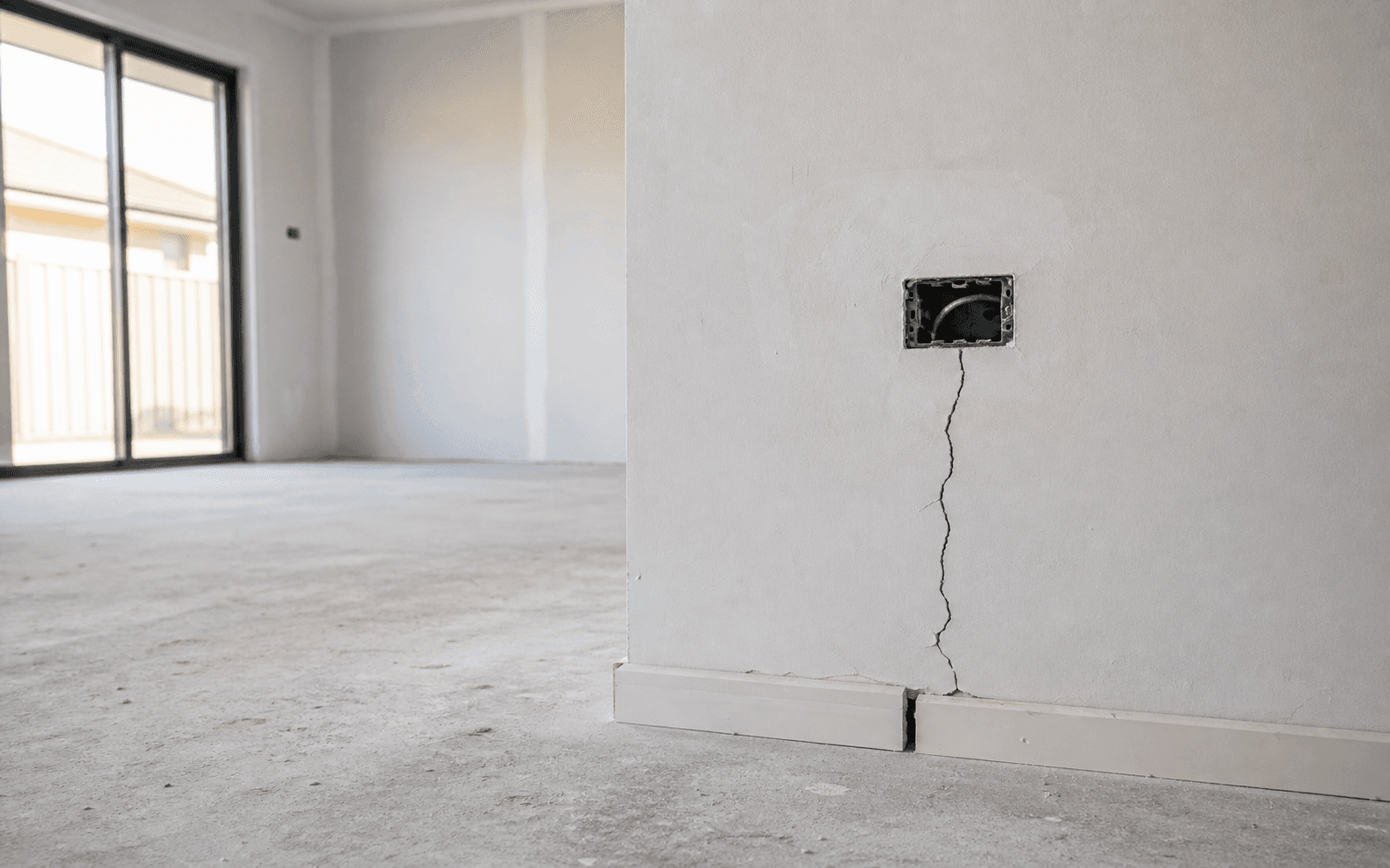
Practical completion and close-out: the evidence you need
What practical completion actually changes
Practical completion is not a mood; it is a certificate, and on most standard forms it moves several things at once:
- Possession passes to the employer, and with it responsibility for insurance and security of the works.
- Half the retention is typically released.
- The defects liability period (rectification period) starts, commonly six or twelve months, per the contract.
- Liquidated damages for delay stop accruing.
The certifier's judgement is usually that the works are complete apart from minor items that can be put right without disturbing the occupier, the so-called de minimis snags. Where exactly that line sits is a matter for the contract and the certifier, so check yours; but wherever it sits, everyone's position depends on what was recorded, when.
Why the snag list at PC carries weight
The PC-stage snag list is the agreed picture of the works on the day the building changed hands. Months later, three questions come back to it:
- Was this defect present at handover, or is it damage in occupation? A dated, numbered record with photos answers this without a meeting.
- What was the contractor told, and when? Issue references tie the
instruction to the item:
IS-041in the list isIS-041in the email. - What is still open? Retention release and the final certificate turn on the answer being precise, not remembered.
A list that cannot answer those questions is a list that gets re-litigated.
The evidence set, item by item
For each issue, the record you want at close-out:
| Element | Why it matters later |
|---|---|
Stable reference (IS-041) | Every conversation cites the same item |
| Date raised | Separates handover defects from occupation damage |
| Location by drawing name | Findable by someone who never walked with you |
| Photo, marked up, original kept | Condition on the day, beyond description |
| Trade / package assigned | The instruction went to a nameable party |
| Status history | Raised → in progress → resolved, with dates |
| After photo on re-inspection | Closure is shown, not asserted |
None of this is exotic. It is the same walk you were doing anyway, recorded so that it holds its shape for a year. The mechanics of each element (numbering, photos, locations, per-trade lists) are in how to write a snag list contractors act on.
Running the close-out
- Walk in a consistent order and keep it. The list in walk order is the re-inspection route and the progress meeting agenda.
- Issue each trade its own extract. A subcontractor working from a focused, numbered list clears it faster than one mining a sixty-page PDF for their items, and cannot say they missed theirs.
- Re-inspect onto the original records. After photo beside the before, same reference, status moved. Do not start a fresh list; the history is the value.
- Reissue the report, don't rewrite it. Each issued version should stand as it was sent. The end-of-defects schedule then falls out of whatever is still open, rather than being reconstructed from memory.
At the end of the rectification period the same mechanism runs once more: schedule of defects, making good, and the final certificate releasing the remaining retention.
A note on scope
This page describes practice, not contract advice. JCT, NEC and bespoke forms differ on certification, retention and rectification mechanics; the contract in the drawer beats any guide, including this one.
Where Snagwalk fits
Snagwalk records the walk the way close-out needs it: every issue numbered in walk order with a marked-up photo, location and trade; re-inspection and after photos land on the original record; issued PDFs stay as issued; and per-trade extracts are a filter, not an evening's work. It runs fully offline, which is useful in the parts of a nearly finished building where signal never is. More on the construction workflow: Snagwalk for snagging and handover QA.